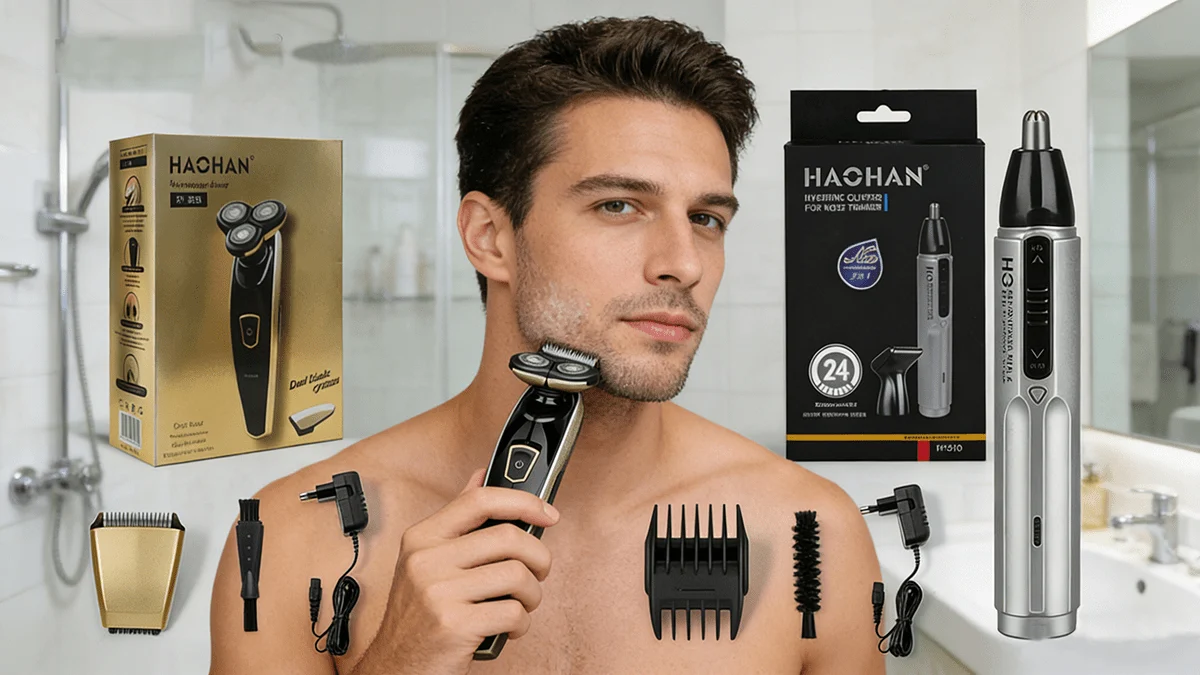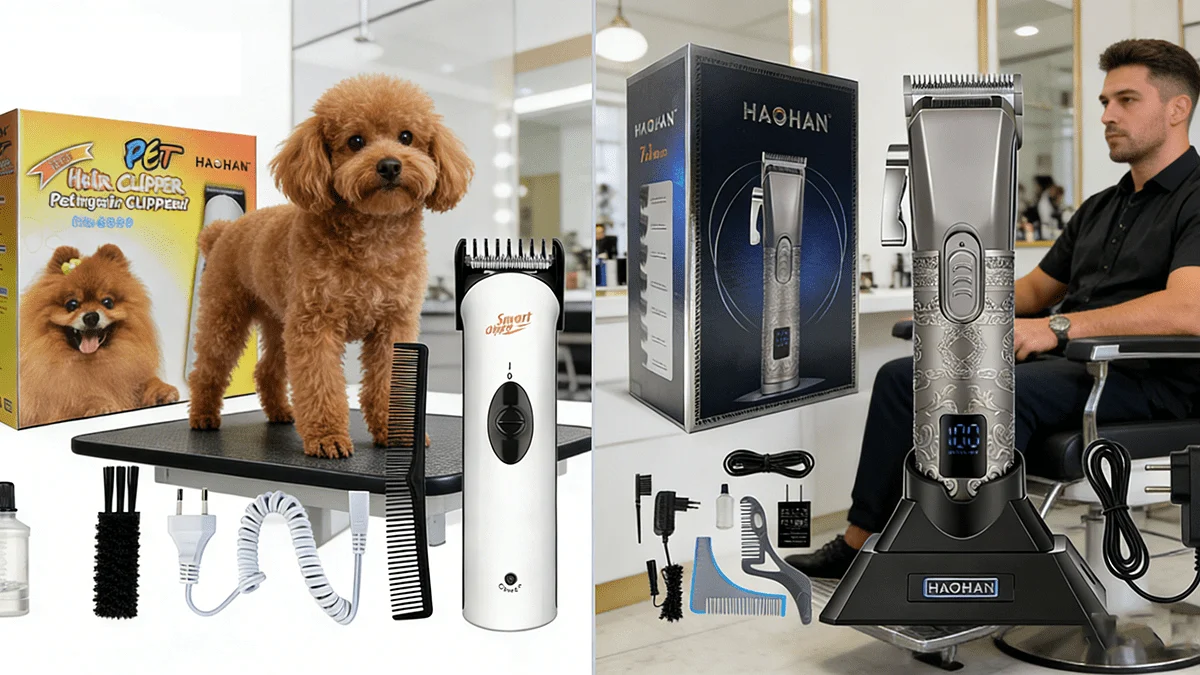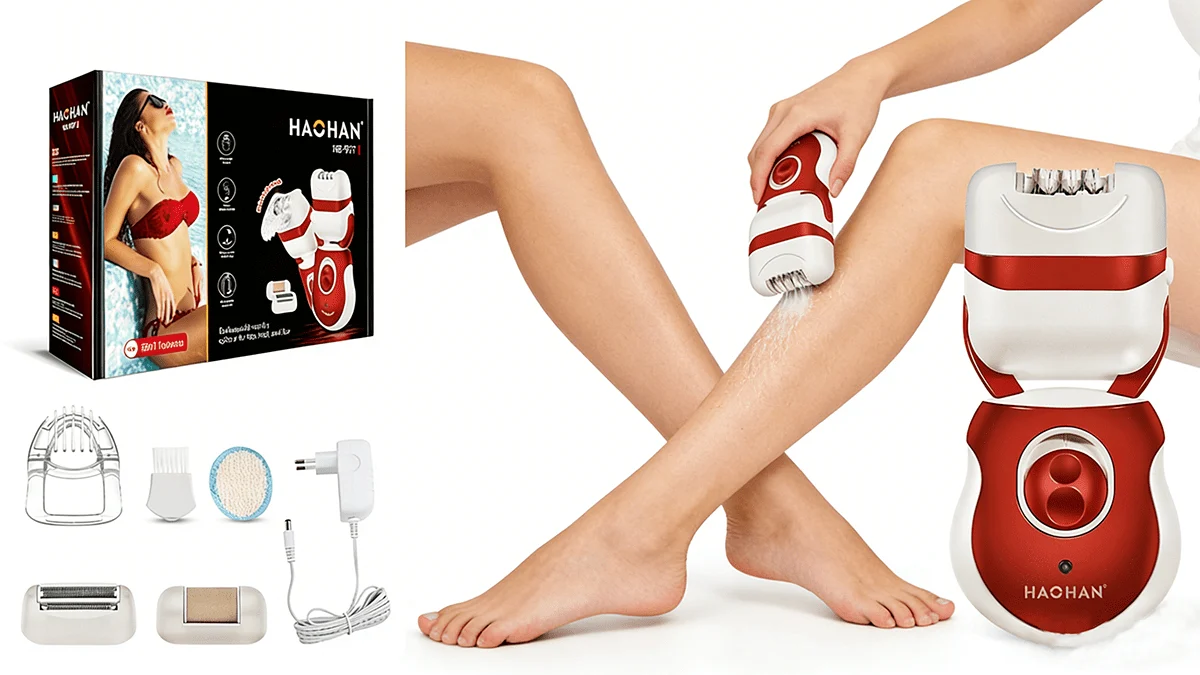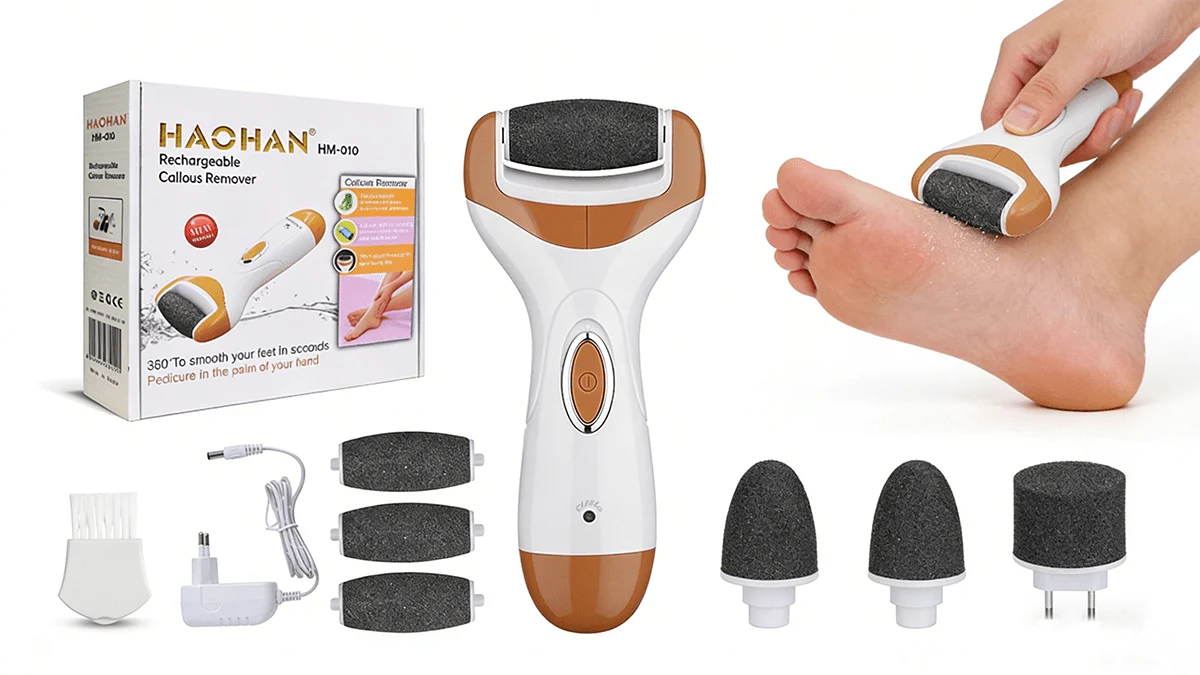
Struggling to launch electric nose hair trimmers or cordless facial shavers in Malaysia — without SIRIM certification, dual-language labeling, or local compliance support?
How a Malaysia-Based Brand Launched SIRIM-Certified Grooming Devices in 14 Weeks — With Zero Compliance Delays
A Kuala Lumpur–based personal care distributor entered the Malaysian market with no in-house regulatory team, no manufacturing capability, and zero experience with SIRIM QAS certification or MS IEC 60335-2-8 compliance. Their initial order of 500 units faced three critical risks: customs rejection at Port Klang, consumer safety complaints due to incorrect voltage labeling (240V/50Hz), and shelf removal by major retailers for missing Bahasa Malaysia warnings.
What They Needed
- Regulatory-first product configuration: Battery-powered devices compliant with MS IEC 60335-1 and MS IEC 60335-2-8, plus UN38.3 and MS IEC 62133-2 for lithium-ion cells;
- End-to-end SIRIM submission support: Technical documentation preparation, test lab coordination (SIRIM QAS–accredited labs), and certificate issuance;
- Malaysia-specific packaging & labeling: Dual-language (Bahasa Malaysia + English) instruction manuals, SIRIM mark placement, importer details, and mandatory safety warnings;
- MOQ flexibility: Production of 500 units without compromising certification validity or unit cost scalability.
Our Integrated Solution
We treated this not as an order, but as a regulatory-commercial launch partnership. Within 72 hours of inquiry, our cross-functional team (R&D, Regulatory Affairs, Packaging Engineering, and OEM Project Management) delivered a validated solution:
- Selected cordless facial shaver (Model HH-SH420) and electric nose hair trimmer (Model HH-NH210) — both pre-tested against MS IEC 60335-2-8 and rated for 240V/50Hz operation;
- Pre-certified battery packs (3.7V Li-ion, 1200mAh) with full UN38.3 and MS IEC 62133-2 test reports on file;
- Customized packaging: 100% recyclable cardboard box with bilingual printing (ISO-compliant typography, 12-pt minimum font size for Malay text), SIRIM logo placement verified by SIRIM QAS guidelines;
- Handled full SIRIM application — including technical file compilation, lab test scheduling, and certificate issuance in 9 working days post-sample approval.
Technical Specifications Delivered
| Parameter | Specification |
| Input Voltage | AC 240V ±10%, 50Hz (Malaysia grid standard) |
| Battery Type & Capacity | Li-ion, 3.7V / 1200mAh (MS IEC 62133-2 certified) |
| Charging Time | 2.5 hours (USB-C input, 5V/1A) |
| Runtime (Shaver) | 60 minutes per full charge |
| Runtime (Nose Trimmer) | 90 minutes per full charge |
| Certifications | SIRIM QAS (MS IEC 60335-1, MS IEC 60335-2-8), CE, RoHS, REACH, CB |
Commercial Results Achieved
- Zero customs hold-ups: All 500 units cleared Port Klang within 48 hours of arrival — verified by MIDA import declaration logs;
- Retail-ready compliance: Products accepted by Watsons Malaysia and AEON Wellness without label revision requests;
- Scalable production path: Unit cost reduced by 22% when scaling to 3,000 pcs — same SIRIM certificate reused per MS regulation;
- Time-to-market compression: From first contact to retail shelf: 14 weeks (vs. industry average of 22+ weeks for new entrants).
Why This Client Chose Haohan Electric — Not Just a Factory, But a Market-Entry Partner
- Regulatory execution, not just advice: We own 12 active SIRIM-certified models for Malaysia — not theoretical guidance, but proven filing workflows and lab partnerships;
- MOQ-aligned engineering: Designed for 500-unit batches — no tooling amortization penalties, no minimum mold costs;
- Single-point accountability: One project manager coordinates R&D, QA, packaging, and SIRIM submission — no handoffs between departments;
- Documentation transparency: All test reports, SIRIM certificates, and bilingual label files delivered digitally before mass production;
- Post-launch support: Provided MITI Import Permit template and SSM-registered importer onboarding checklist;
- Real-time capacity visibility: Shared live production calendar showing slot availability for next 90 days — no estimation games.
Customization Options Available for Men’s Personal Grooming Devices
| Customization Area | Minimum Order Quantity (MOQ) |
| Logo Embossing / Laser Engraving | 3,000 pcs |
| Dual-Language Packaging (Malay + English) | 500 pcs (no MOQ surcharge) |
| Voltage Adaptation (240V/50Hz) | Included in all Malaysia-bound orders |
| SIRIM Certification Support | Included (full documentation + test coordination) |
| Body Color & Finish | 3,000 pcs |
| Instruction Manual Localization (Bahasa Malaysia) | 500 pcs (pre-approved by SIRIM QAS) |
If you’re evaluating suppliers for SIRIM-certified shavers, Malaysia-compliant grooming tools, or any electric nose hair trimmer project requiring regulatory certainty — request your tailored solution proposal. We’ll deliver technical validation, certification roadmap, and commercial terms — all within 5 business days.
Frequently Asked Questions
Can you produce electric nose hair trimmers and cordless facial shavers with SIRIM certification for the Malaysian market?
Yes. We hold 12 active SIRIM QAS certificates for personal grooming devices. All Malaysia-bound orders include full technical documentation, lab test coordination, and certificate issuance — verified by SIRIM QAS–accredited labs.
What is the minimum order quantity for men’s personal grooming devices with dual-language (Bahasa Malaysia + English) packaging and labeling?
500 units. No MOQ surcharge applies. Packaging complies with SIRIM QAS labeling requirements: mandatory safety warnings, importer details, and ISO-compliant typography — pre-validated for Watsons and AEON shelf acceptance.
Do you support voltage adaptation for regional grids — for example, 240V/50Hz for Malaysia or 120V/60Hz for North America?
We configure input specifications at the design stage. Every SIRIM-certified shaver ships with 240V/50Hz compliance built-in. For other markets, we adapt AC input, battery management firmware, and charger certifications — without retooling or NRE fees.
Can you supply Malaysia-compliant grooming tools in mixed SKUs per carton to reduce logistics complexity for distributors?
Yes. We consolidate up to four SKUs — e.g., electric nose hair trimmer, cordless facial shaver, unisex body groomer, and callus remover — into one full carton. Each SKU retains its certified configuration and bilingual labeling.
How do you handle post-certification quality control for bulk shipments of electric nose hair trimmers and similar devices?
We conduct AQL 1.0 sampling per ISO 2859-1 before shipment. Every batch includes functional testing (runtime, blade torque, charging cycle), battery safety verification (UN38.3 & MS IEC 62133-2), and label compliance audit — documented in the final QA report.